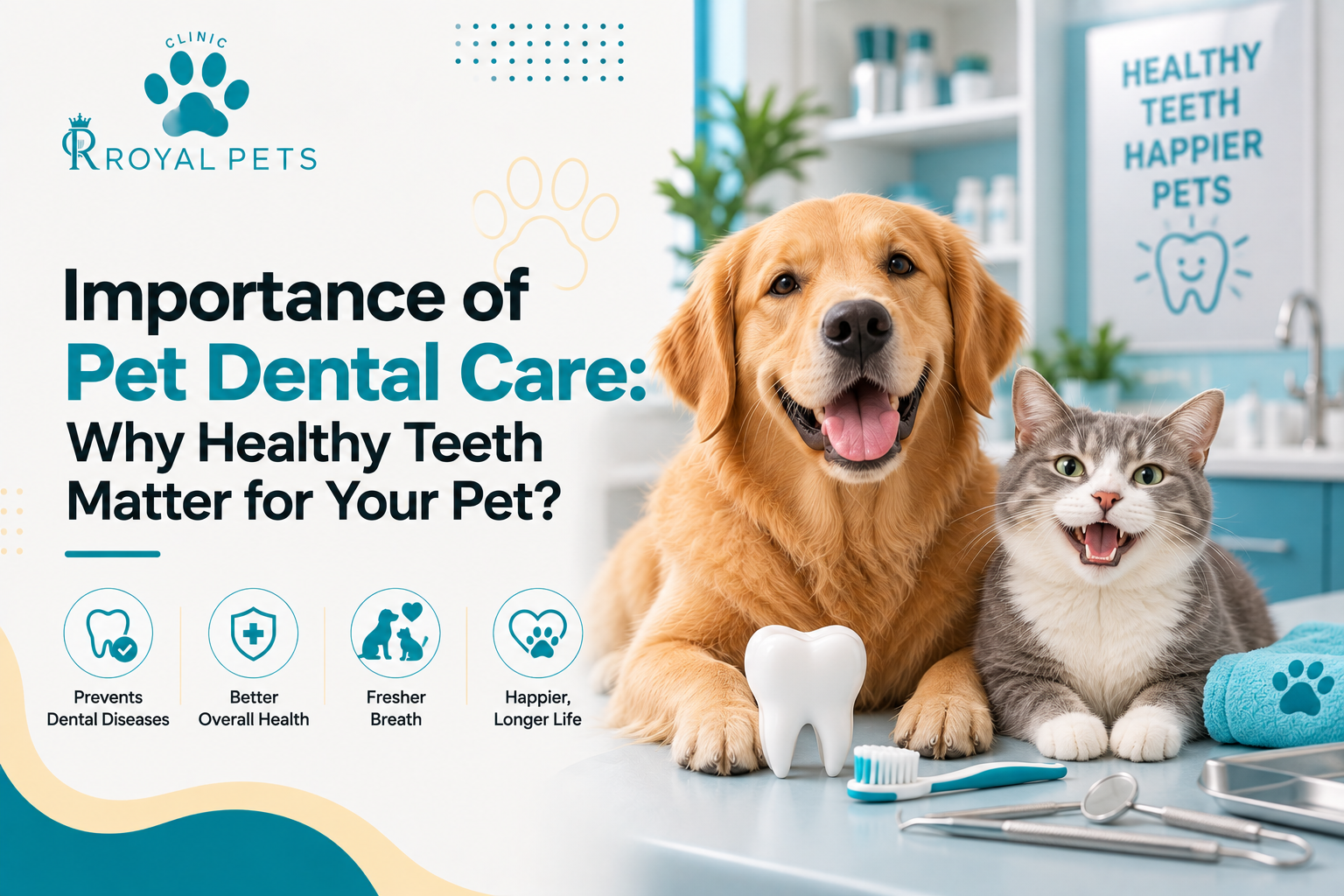
Your pet’s teeth may not be the first thing you think about when considering their overall health, but oral hygiene plays an important role in keeping dogs and cats comfortable, active, and happy. Understanding the importance of pet dental care can help you prevent painful dental problems, recognize warning signs early, and give your pet the long-term care they deserve.
Bad breath, yellow teeth, or difficulty chewing should never simply be accepted as a normal part of owning a pet. These signs may indicate plaque buildup, irritated gums, or more advanced dental disease that requires veterinary attention.
At Royal Pets Veterinary Clinic Dubai, pet owners can receive compassionate, professional support for their pet’s dental and overall health. Located in the heart of Garhoud, Dubai, the clinic combines modern veterinary care with a warm environment designed to help every pet feel safe and comfortable.
Why Is Dental Care Important for Pets?
The importance of pet dental care goes far beyond keeping your dog or cat’s breath fresh. Healthy teeth and gums contribute to comfortable eating, reduce oral discomfort, and help protect your pet from progressive dental disease.
Plaque can begin accumulating on the teeth and eventually harden into tartar. When bacteria and deposits build up around and below the gumline, they can irritate the gums and contribute to periodontal disease.
Without appropriate care, dental disease may become increasingly uncomfortable and can eventually affect the structures supporting the teeth.
Regular attention to your pet’s mouth helps with:
- Preventing excessive plaque and tartar buildup.
- Detecting dental problems before they become advanced.
- Reducing the risk of painful gum disease.
- Protecting teeth from progressive damage.
- Supporting comfortable chewing and eating.
- Maintaining fresher breath.
- Supporting your pet’s overall wellbeing.
Dental care should therefore be considered part of preventive veterinary medicine rather than something reserved for pets that already have severe dental problems.
How Dental Care Helps Keep Your Pet Comfortable:
One of the biggest reasons to prioritize dental care is pain prevention.
Pets cannot tell us when a tooth hurts. In fact, many dogs and cats continue eating and behaving relatively normally even when dental disease is causing discomfort.
Dental problems can lead to:
- Sore or inflamed gums.
- Loose teeth.
- Damaged teeth.
- Infection around the teeth or gums.
- Difficulty chewing.
- Sensitivity when eating.
- Chronic oral discomfort.
Some pets begin chewing on only one side of their mouth, dropping food, eating more slowly, or becoming reluctant to eat harder foods.
Because animals can hide discomfort remarkably well, waiting until your pet stops eating is not a good dental-care strategy. Regular veterinary examinations can help identify concerns much earlier.
If you notice unusual eating habits or changes around your pet’s mouth, arranging an examination at Royal Pets Veterinary Clinic Dubai can help determine what is happening and what care may be appropriate.
The Connection Between Dental Health and Overall Wellbeing:
Another reason behind the importance of pet dental care is that oral health is closely connected with overall wellbeing.
Advanced periodontal disease involves bacteria, inflammation, and infection around the teeth and gums. Bacteria associated with dental disease can enter the bloodstream, which is one reason veterinarians take oral health seriously.
Good preventive dental care is therefore about more than creating a bright smile. It is about reducing unnecessary oral disease and supporting your pet’s long-term health and quality of life.
A comfortable mouth also allows pets to enjoy one of their favorite activities: eating.
When chewing becomes painful, pets may change how they eat, avoid certain foods, or show subtle behavioral changes. Treating dental problems can therefore make a meaningful difference in everyday comfort.
What Happens When Pet Dental Health Is Neglected?
Dental disease generally develops progressively rather than appearing overnight.
Plaque forms on the teeth and contains bacteria. If it is not adequately controlled, mineralization can turn plaque into harder tartar deposits. Irritation around the gumline can then contribute to inflammation and periodontal disease.
Over time, untreated dental disease may result in:
Bad Breath:
Persistent unpleasant breath can be one of the earliest noticeable signs that your pet’s mouth needs attention.
Although a pet’s breath may naturally have an odor, consistently strong or foul-smelling breath should not automatically be considered normal.
Red or Inflamed Gums:
Healthy gums should not routinely appear severely red, swollen, or irritated. Gum inflammation may indicate gingivitis or another oral problem that requires assessment.
Periodontal Disease:
Periodontal disease affects the tissues surrounding and supporting the teeth. As it progresses, it can cause pain, infection, and damage beneath the gumline that may not be visible during a simple look inside your pet’s mouth.
Loose or Damaged Teeth:
Advanced disease can weaken the tissues supporting teeth. Fractured or damaged teeth can also cause considerable discomfort and may require veterinary treatment.
Difficulty Eating:
Dental pain can affect the way your pet picks up, chews, or swallows food.
Early recognition is one of the best reasons to make oral examinations part of your pet’s ongoing healthcare routine.
Signs Your Pet May Have Dental Problems:
Knowing what to watch for can help you seek veterinary advice before a dental problem progresses.
Common warning signs include:
- Persistent bad breath.
- Yellow or brown buildup on the teeth.
- Red or swollen gums.
- Bleeding around the gums.
- Excessive drooling.
- Chewing on only one side of the mouth.
- Dropping food while eating.
- Eating more slowly than usual.
- Avoiding hard food or chew toys.
- Pawing around the mouth or face.
- Loose or visibly damaged teeth.
- Facial swelling.
- Reduced interest in food.
- Changes in behavior associated with discomfort.
Not every pet will show obvious symptoms. Some dental problems occur beneath the gumline and cannot be identified simply by looking at the visible surface of the teeth.
This is why professional veterinary examinations remain an important part of pet dental care.
Why Regular Dental Checkups Matter for Dogs and Cats:
Regular dental examinations give veterinarians an opportunity to look for plaque, tartar, inflammation, damaged teeth, abnormalities, and other concerns.
Your veterinarian can also determine whether your pet may benefit from professional cleaning or further dental investigation.
The appropriate schedule depends on several factors, including:
- Your pet’s age.
- Species.
- Breed and size.
- Current oral health.
- Previous dental disease.
- Tooth alignment.
- Home dental-care routine.
- Individual risk factors.
There is no single professional cleaning schedule that is perfect for every dog and cat. Some pets need more frequent care than others.
At Royal Pets Veterinary Clinic Dubai, comprehensive pet examinations can be tailored to your pet’s age, lifestyle, and individual health needs, helping you make informed decisions about both dental and preventive care.
Dog Dental Care vs Cat Dental Care:
Both dogs and cats need regular oral care, but their dental concerns are not always identical.
Dental Care for Dogs:
Dogs commonly develop plaque and tartar, gum disease, and damaged teeth.
Their chewing habits can also affect dental health. Very hard objects may damage teeth rather than protect them, so it is worth discussing safe chew options with your veterinarian.
Smaller dogs and pets with crowded teeth may sometimes require particularly close dental monitoring.
Dental Care for Cats:
Cats can also develop plaque, tartar, periodontal disease, and painful dental conditions.
One challenge with cats is that they can be extremely good at hiding pain. A cat may continue approaching the food bowl despite experiencing oral discomfort.
Changes in chewing, appetite, grooming, behavior, or preference for softer foods can therefore deserve closer attention.
Whether you have a dog or cat, individualized veterinary advice provides a more reliable approach than following a one-size-fits-all dental routine.
How to Care for Your Pet’s Teeth at Home:
Professional veterinary care is important, but much of preventive dental health begins at home.
Brush Your Pet’s Teeth Regularly:
Brushing is one of the most useful ways to manage plaque at home.
Use:
- A soft pet toothbrush or suitable dental brush.
- Toothpaste specifically formulated for pets.
- Gentle movements around the outside surfaces of the teeth.
Introduce brushing gradually and use positive reinforcement so the experience becomes part of your pet’s routine.
Never Use Human Toothpaste:
Human toothpaste is designed for people, not animals, and some ingredients may be inappropriate or harmful if swallowed by pets.
Always choose a product specifically intended for dogs or cats and ask your veterinarian if you are uncertain.
Consider Appropriate Dental Products:
Depending on your pet, additional products may include:
- Dental chews.
- Dental treats.
- Oral gels.
- Water additives.
- Dental diets.
- Veterinary-recommended oral-care products.
Products carrying acceptance from recognized veterinary dental organizations can help owners identify options with evidence supporting particular plaque or tartar-control claims.
However, dental chews and additives should complement—not automatically replace—brushing and veterinary examinations.
Check Your Pet’s Mouth Regularly:
When your pet is relaxed, pay attention to:
- Breath odor.
- Gum appearance.
- Visible tartar.
- Broken teeth.
- Unusual swelling.
- Changes in chewing.
You do not need to diagnose the problem yourself. The goal is simply to recognize when something looks different and seek veterinary advice.
When Does a Pet Need Professional Dental Cleaning?
Even with excellent home care, some pets eventually develop deposits or dental disease that require professional treatment.
A veterinarian can recommend professional cleaning based on the condition of the teeth and gums rather than simply following the same calendar schedule for every pet.
Professional veterinary dental care may involve:
- An oral examination.
- A pre-procedure assessment.
- Removal of plaque and tartar above the gumline.
- Cleaning beneath the gumline.
- Dental polishing.
- Further assessment of individual teeth.
- Dental imaging when clinically required.
- Treatment or extraction of diseased teeth when necessary.
- Recommendations for aftercare and prevention.
Because significant dental disease may exist underneath the gums, simply removing visible tartar from the surface does not provide the same information as a thorough veterinary dental assessment.
Why Is Anesthesia Used During Professional Pet Dental Cleaning?
Many pet owners are understandably concerned when they hear that anesthesia may be required for a dental procedure.
However, thorough veterinary dental cleaning generally requires the pet to remain safely still while the veterinary team evaluates the mouth and cleans areas above and below the gumline.
Anesthesia allows the veterinary team to:
- Examine the mouth more completely.
- Clean beneath the gumline.
- Reduce sudden movement during treatment.
- Perform dental imaging when needed.
- Treat painful or damaged teeth where appropriate.
- Carry out the procedure in a controlled environment.
Before any procedure, the veterinary team evaluates the individual pet and determines an appropriate approach based on factors such as health, age, medical history, and the planned treatment.
Royal Pets Veterinary Clinic Dubai also provides advanced diagnostics, including X-ray, ultrasound, and an in-house laboratory, supporting comprehensive veterinary assessment when required.
At What Age Should Pet Dental Care Begin?
Pet dental care should not begin only after bad breath or tartar appears.
Creating positive habits early can make future dental care much easier.
Puppies and Kittens:
Young pets can gradually become comfortable with having their lips, mouth, and teeth handled.
Introducing appropriate home dental care positively and gently can make brushing less stressful later in life.
Adult Pets:
Adult dogs and cats benefit from consistent home dental routines and regular veterinary assessments.
Their dental requirements should be adjusted according to their individual oral health.
Senior Pets:
Dental health becomes particularly important as pets age because dental disease may have had more time to develop.
Senior pets should be assessed individually so that dental recommendations take their overall health into consideration.
Preventive Dental Care Can Help Avoid More Complex Problems:
Another practical reason to understand the importance of pet dental care is prevention.
Treating severe dental disease may require substantially more intervention than managing oral health proactively.
Preventive care cannot guarantee that a pet will never need dental treatment, but regular examinations and good home hygiene can help identify problems before they become more advanced.
A simple routine of brushing, observation, and veterinary assessment can therefore make a meaningful difference.
When Should You Contact a Veterinarian About Your Pet’s Teeth?
You do not have to wait until your pet shows severe pain.
Arrange a dental examination if you notice:
- Strong, persistent bad breath.
- Thick tartar buildup.
- Red or bleeding gums.
- Difficulty chewing.
- Food repeatedly falling from the mouth.
- Loose or fractured teeth.
- Facial swelling.
- Mouth sensitivity.
- Sudden appetite changes.
- Any dental injury.
Early assessment gives your veterinarian the opportunity to identify the cause and recommend appropriate next steps.
Pet Dental Care in Dubai: Choose Compassionate, Complete Veterinary Support
Dental health works best as part of complete preventive healthcare.
At Royal Pets Veterinary Clinic Dubai, pets are treated with time, attention, and genuine care in a friendly environment in the heart of Garhoud.
The clinic provides a wide range of services to support pets throughout different stages of life, including:
- Comprehensive pet examinations tailored to age and lifestyle.
- Dental care and preventive medicine.
- Advanced X-ray diagnostics.
- Ultrasound.
- In-house laboratory testing.
- Veterinary surgery.
- Professional grooming.
- Comfortable pet boarding.
- Access to a fully stocked pet shop.
This comprehensive approach means owners can receive support for more than a single symptom. Your pet’s dental health can be considered alongside their general wellbeing, age, lifestyle, and individual needs.
Frequently Asked Questions About the Importance of Pet Dental Care
Why is dental care important for pets?
Dental care helps control plaque and tartar, reduce gum disease, identify painful dental problems, protect teeth, maintain comfortable eating, and support overall wellbeing. Regular home care combined with veterinary examinations offers the most complete approach.
Is bad breath normal in dogs and cats?
Occasional mild odor may occur, but persistent strong or unpleasant breath can be associated with dental disease. If your pet develops ongoing bad breath, a veterinary dental examination is worthwhile.
How often should I brush my pet’s teeth?
Regular brushing is generally encouraged, with daily brushing often considered the ideal when the pet tolerates it. Your veterinarian can recommend a realistic routine based on your pet’s behavior and oral health.
Can I use human toothpaste on my dog or cat?
No. Use toothpaste designed specifically for pets. Human dental products may contain ingredients that are inappropriate for animals to swallow.
Do dental chews replace tooth brushing?
Dental chews can support oral care, but they should generally be considered an addition to appropriate brushing and veterinary dental examinations rather than a complete replacement.
How do I know if my pet has dental disease?
Possible signs include bad breath, tartar, red gums, bleeding, drooling, difficulty chewing, dropping food, loose teeth, facial swelling, and changes in eating behavior. Some pets show few obvious symptoms, which is why examinations remain important.
How often does my pet need professional dental cleaning?
There is no universal schedule for every pet. Your veterinarian should recommend cleaning based on age, breed, oral health, existing dental disease, and other individual risk factors.
Does professional pet dental cleaning require anesthesia?
A complete veterinary dental procedure generally requires anesthesia so the veterinary team can safely examine the mouth, clean below the gumline, and perform necessary diagnostics or treatments without unexpected movement.
At what age should I start caring for my pet’s teeth?
Healthy habits can begin when pets are young. Gentle handling and gradual introduction to appropriate brushing can make long-term dental care easier. Your veterinarian can guide you according to your puppy or kitten’s stage of dental development.
When should I take my pet to a veterinarian for dental problems?
Contact a veterinarian if you notice persistent bad breath, tartar buildup, swollen or bleeding gums, difficulty eating, loose teeth, facial swelling, dental trauma, or any other sign of oral discomfort.
Give Your Pet the Dental Care They Deserve
Understanding the importance of pet dental care is one of the simplest steps you can take toward protecting your pet’s comfort and quality of life.
Do not wait for severe bad breath, obvious pain, or difficulty eating before paying attention to your pet’s teeth. Preventive care, regular observation, good home hygiene, and professional veterinary assessments can help identify dental problems earlier and support a healthier mouth.
At Royal Pets Veterinary Clinic Dubai, every pet is treated like royalty—with patience, compassion, attention, and high-quality veterinary care.
Whether your pet needs a routine dental examination, preventive advice, professional dental care, diagnostics, or a comprehensive health assessment, the team is ready to support you and your furry family member.
Contact Royal Pets Veterinary Clinic Dubai today to schedule your pet’s dental examination and take a positive step toward healthier teeth, comfortable eating, fresher breath, and long-term wellbeing.